How Randomization Adds Variety To Interactive Entertainment
19 August 2026 | 69
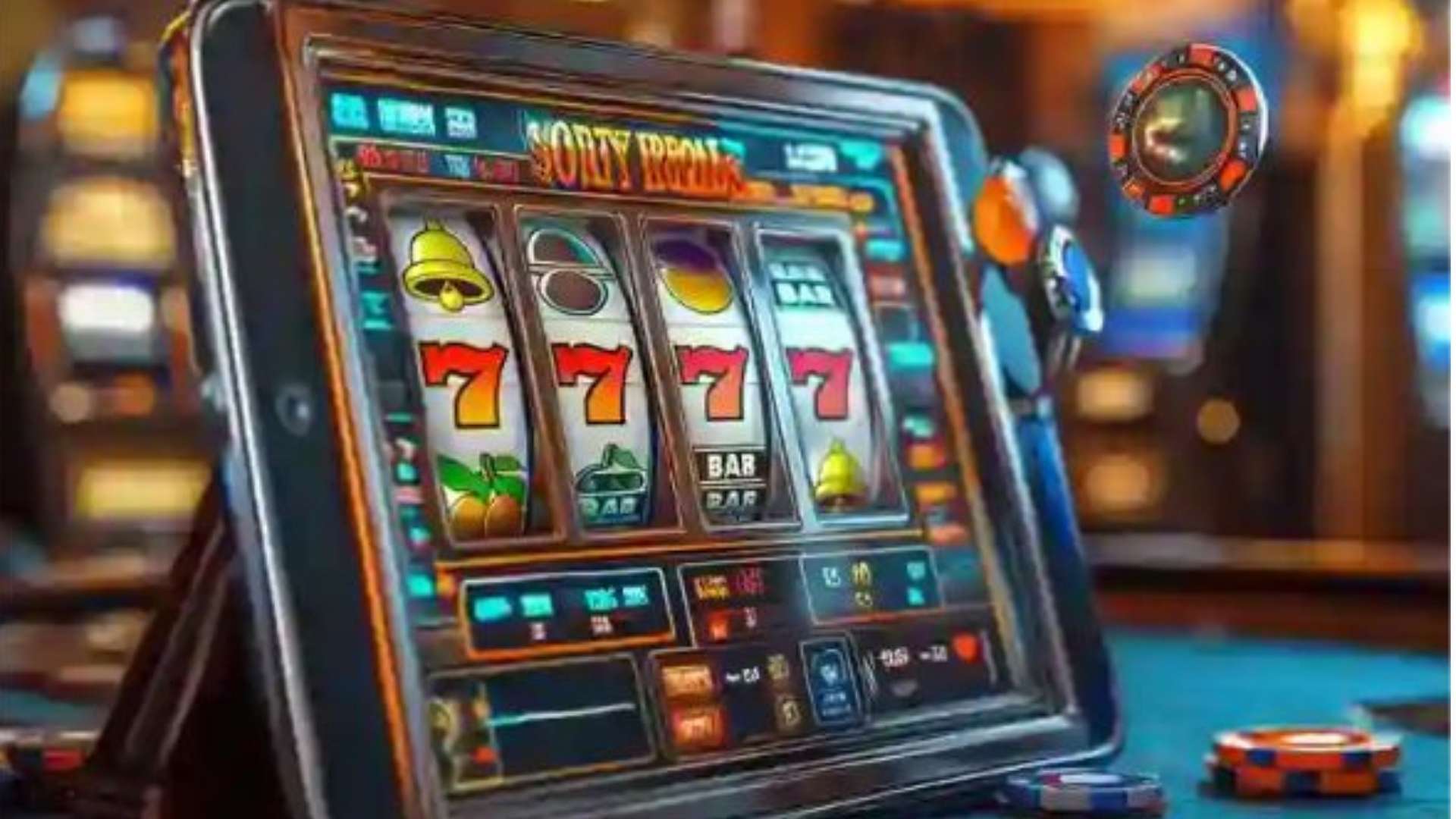
Interactive software environments thrive on their ability to keep audiences continuously engaged over extended periods. While static designs can quickly become predictable, incorporating randomized mechanics injects an organic sense of discovery that reshapes the entire user journey. This article discusses how modern developers implement mathematical chance to diversify gameplay experiences and establish long-term community interest.
The Core Influence of Unpredictable Mechanics
Modern gaming experiences depend heavily on variable reinforcement systems to maintain regular audience curiosity. When digital landscapes shift dynamically without human intervention, players remain highly motivated to see what occurs next. This constant evolution prevents the common issue of early software fatigue across global player communities.
Furthermore, these unpredictable setups ensure that no two interactive sessions feel exactly alike. By varying the drop rates of rare assets or dynamically altering environment hazards, software creators build sustainable replayability. This structural framework turns everyday entertainment hubs into vibrant, evolving ecosystems that appeal to multiple demographics.
How Chance Models Equalize Multi User Environments
Integrating randomized allocation protocols serves as a powerful tool to democratize rewards inside digital ecosystems. Traditional progression architectures frequently favor participants who possess specialized mechanical skills or substantial time to dedicate daily. Introducing automated chance elements bypasses these common barriers, giving everyone an equal opportunity to experience unique milestones.
This distinct sense of fairness dramatically enhances baseline community trust and active participation. When standard consumers know that an unexpected victory is genuinely possible on any regular attempt, their long-term motivation increases. Many contemporary online destinations, such as platforms requiring a secure www m88 com login, utilize balanced probability systems to ensure fair play across their active digital environments.
Transforming Mundane Interactions Into Memorable Encounters
The strategic deployment of unpredictable outcomes alters how people process micro successes within interactive media. A predetermined milestone often feels transactional, whereas an unexpected discovery triggers an immediate neurological sense of achievement. This psychological distinction transforms standard registration routes or casual daily logins into highly anticipated entertainment events.
Additionally, these sudden disclosures cultivate a shared social experience among connected participants globally. When someone unlocks a rare variable outcome, they frequently discuss their luck across online forums and live message channels. This organic word of mouth movement creates a lively neighborhood that naturally attracts new members to the platform.
The Future of Dynamic Systems in Interactive Software
As technological infrastructure improves, developers are discovering highly advanced methods to incorporate chance into modern applications. Future designs will likely combine localized player preferences with sophisticated algorithmic randomness to offer deeply personalized surprises. This progression guarantees that software ecosystems stay fresh while protecting the foundational integrity of fair distribution models.
Ultimately, balancing structural certainty with pure unpredictability remains the primary key to modern entertainment design. By ensuring that systems are clear, audited, and mathematically unbiased, organizers can build lasting relationships with their player base. The ongoing evolution of these dynamic systems will continue to shape how modern audiences engage with digital content for generations to come.